


As people grow older, their bodies change. Many seniors start to have trouble moving. They may need help standing, walking, or getting in and out of bed. This can make daily life harder and even dangerous.
That’s where seniors caregivers come in.
Caregivers help older adults move safely, stay active, and live comfortably. They give support, love, and care every day. Whether they are family members or trained helpers, their role is important.
This guide explains how caregivers make life better for seniors with mobility issues.
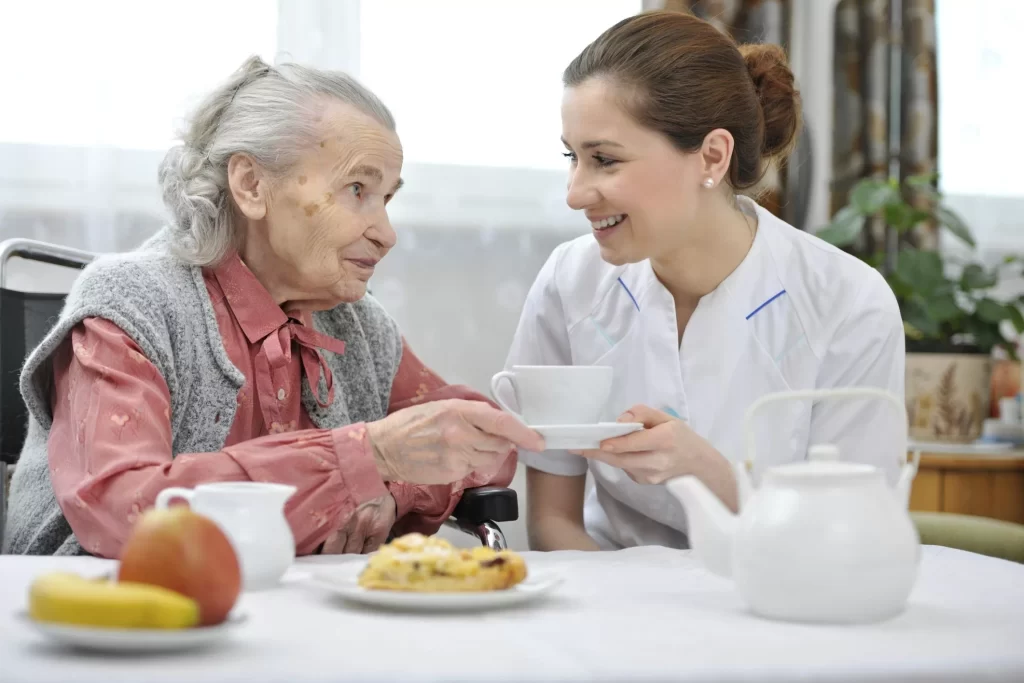
Why Mobility Becomes Harder for Seniors According To Seniors Caregivers
Mobility problems don’t happen overnight. They build up over time. Seniors may begin to feel weaker or slower than before. Here are some common reasons why movement becomes a challenge:
Loss of Muscle Strength
Muscles get weaker with age. This makes it harder to lift, stand, or walk without help.
Joint Pain and Stiffness
Arthritis and other joint problems cause pain, especially in the knees, hips, or back. This pain makes movement uncomfortable.
Balance and Coordination Issues
Some seniors struggle to keep their balance. They may feel dizzy or unsteady, which raises their risk of falling.
Bone Weakness
Older bones become fragile. A small fall can lead to serious injuries like fractures or breaks.
Chronic Illnesses
Health conditions like stroke, Parkinson’s disease, or diabetes can affect how a senior moves or controls their body.

How Seniors Caregivers Support Mobility in Seniors
Caregivers play a key role in helping seniors stay safe while moving. They make daily tasks easier and provide support during times when seniors feel unsure or afraid.
Help With Standing and Sitting
Getting up from a bed or chair can be hard. Seniors caregivers give steady support to make it safe and easy.
Safe Walking Assistance
Caregivers walk beside seniors, offering an arm or a hand to steady them and prevent falls.
Bathroom and Bathing Support
The bathroom is a risky place for seniors. Caregivers assist with toilet use, bathing, and handwashing while ensuring privacy and dignity.
Support With Moving in and Out of Beds or Chairs
Caregivers help seniors shift positions safely, avoiding injury or strain.
Constant Safety Monitoring
They watch for signs of tiredness, pain, or weakness and adjust the routine to keep the senior safe and comfortable.

Creating a Safer Home for Mobility
Seniors caregivers often make changes at home to prevent accidents. A safe space gives seniors the freedom to move with less worry.
Installing Grab Bars
Grab bars in the bathroom or hallway help seniors balance and support themselves.
Using Non-Slip Surfaces
Non-slip mats in showers, bathrooms, and kitchens help prevent slips and falls.
Removing Clutter and Obstacles
Loose rugs, shoes, or small furniture can cause falls. Caregivers remove or rearrange these to make wide, clear paths.
Bright Lighting
Good lighting in hallways and rooms helps seniors see clearly and avoid accidents, especially at night.
Reorganizing Furniture
Moving furniture out of tight spaces gives seniors more room to walk or use mobility aids like walkers or wheelchairs.
Helping Seniors Use Mobility Aids
Sometimes, seniors need special tools to help them move. Caregivers help them choose the right tools and teach them how to use them safely.
Canes and Walkers
These offer support and balance for seniors who can walk but need a little help.
Wheelchairs
Wheelchairs are useful when a senior can’t walk long distances or at all. Seniors caregivers assist with pushing or guiding the chair.
Mobility Scooters
Scooters help seniors move around outside or in large places like malls.
Lift Chairs and Transfer Aids
These devices help seniors sit or stand without straining themselves or the caregiver.

Keeping Seniors Active
Even if a senior has trouble moving, some movement is better than none. Staying active helps improve strength, balance, and mood. Seniors caregivers encourage gentle activity daily.
Short Walks
Walks inside the home or in the yard can help blood flow and muscle strength.
Stretching Exercises
Gentle stretches improve flexibility and reduce stiffness.
Chair Exercises
Some seniors can’t stand for long, so caregivers help them move their arms, legs, and shoulders while sitting.
Balance and Strength Training
Simple movements like standing up from a chair build muscle and help prevent falls.
Physical Therapy Help
If a doctor recommends therapy, caregivers can help the senior practice their exercises at home or go to appointments.
Eating Right and Taking Medicine Safely
Good health supports better movement. Caregivers make sure seniors eat healthy foods and take their medicine on time.
Healthy Meals
Nutritious food helps build strong bones and muscles. Seniors caregivers cook meals that are easy to chew and digest.
Staying Hydrated
Seniors often forget to drink water. Caregivers remind them and keep water nearby.
Managing Medicines
Caregivers follow the doctor’s instructions and give the right medicine at the right time.
Watching for Side Effects
Some medicine causes dizziness or sleepiness. Caregivers notice these changes and talk to the doctor if needed.
Supporting Seniors Emotionally
Seniors with mobility issues often feel lonely or sad. Losing independence is not easy. Caregivers offer kindness and friendship to ease these feelings.
Good Conversation
Spending time talking and listening helps seniors feel heard and valued.
Fun Activities
Watching TV, playing cards, or looking at photo albums can make the day more enjoyable.
Social Connection
Caregivers help seniors stay in touch with family or attend social events if possible.
Kind Gestures
A smile, a hug, or even holding a hand can make a senior feel loved and secure.

Taking Care of the Caregiver
Caregiving is a full-time job. It can be tiring and stressful. Caregivers need care too.
Taking Breaks
Rest is important. Respite care gives seniors caregivers time off to relax and recharge.
Talking With Others
Caregiver support groups offer comfort, advice, and a chance to share stories with others who understand.
Learning New Skills
Training classes or videos help seniors caregivers learn better ways to help seniors.
Getting Help When Needed
Seniors Caregivers should never feel they must do everything alone. Asking family or friends for help is a smart choice.
Final Thoughts
Mobility issues can make life hard for seniors, but seniors caregivers make a big difference. They offer more than just physical support. They give love, comfort, and dignity every day. Thanks to seniors caregivers, older adults can feel safe, stay active, and live with joy—no matter their age or ability.


